Language:




Problems and Solutions at the Hatchery
Conducting necropsies on unhatched residual eggs on hatching trays and assessing lesions or abnormalities of culled young poultry during hatching is an essential task. This work can be used to evaluate the management practices and environmental conditions that fertilized eggs have been subjected to over a given period.
Embryonic death can occur at every stage of embryonic development.
It is critical to establish what constitutes a “normal” situation; if abnormalities arise, we must be able to identify their root causes promptly.
Embryonic diagnosis must be implemented routinely, rather than only carried out when problems emerge.
The hatching trays used for embryonic diagnosis also need to be monitored for moisture loss during transfer, hatch window, and the ratio of chick weight to initial egg weight.
Analyzing egg breakout results together with the above monitoring indicators improves the likelihood of pinpointing the source of issues.
Several cases encountered at hatcheries are presented below, which can help us understand potential abnormal embryonic mortality issues that may arise in our hatchery in the future.
— ONE — Case 1
In this case, an abnormal rise in late pre-hatch embryonic mortality was observed, alongside a high proportion of thin-shelled eggs and elevated mid-term mortality linked to contamination.
1.1 Background
Extremely early embryonic mortality increased significantly (Day 1; Figure 1 and Figure 2)
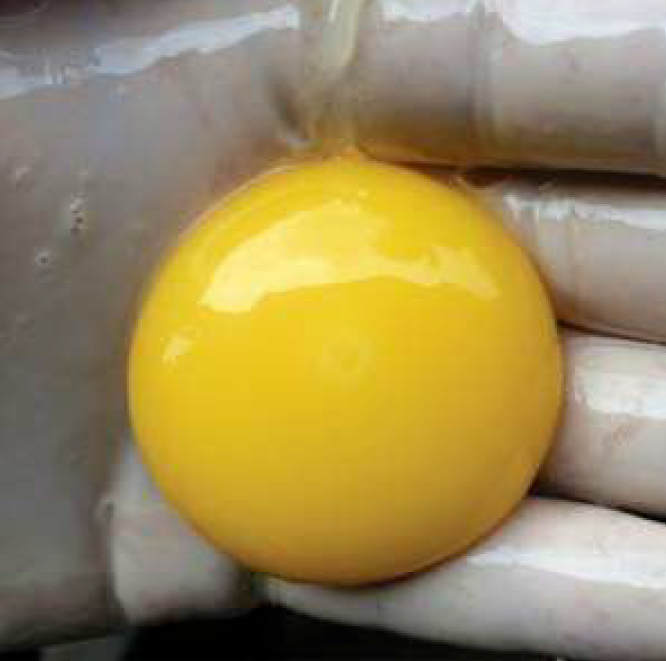
Figure 1: Fertilized eggs that died prior to incubation
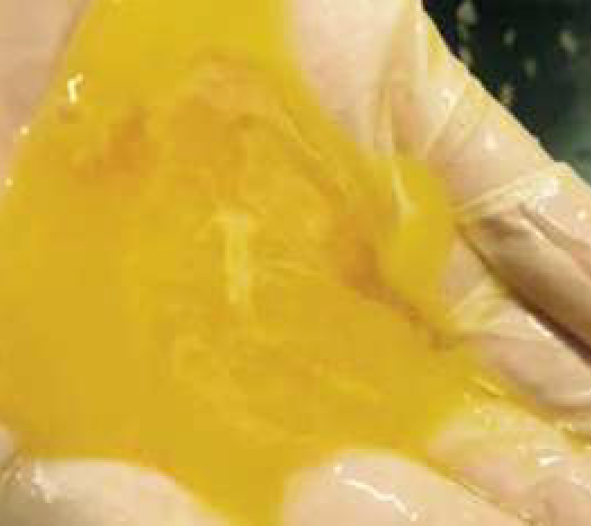
Figure 2: Embryonic deaths occurring on Days 1–2 of incubation
The proportion of white thin-shelled eggs and contaminated eggs rose (Figure 3)
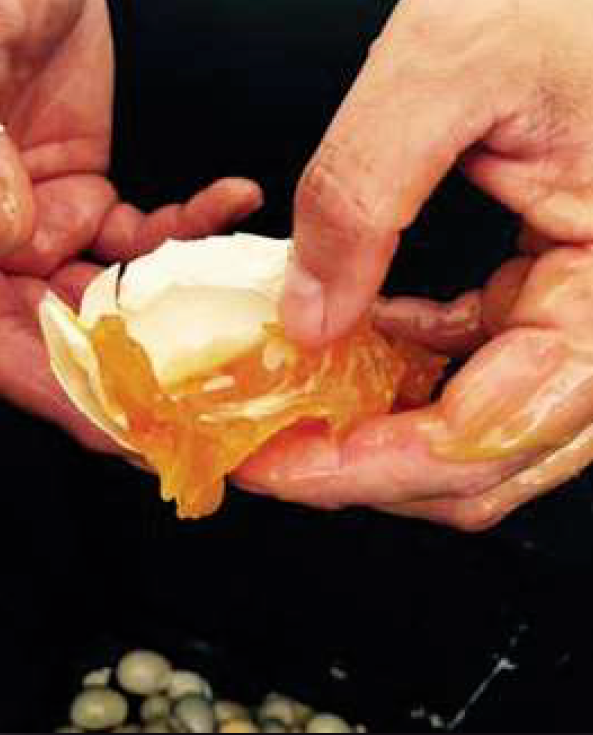
Figure 3: Thin-shelled egg
Mottled egg yolks were observed (Figure 4)
Mid-term mortality increased due to contamination (Figure 5)
No adjustments had been made to the farm’s breeding egg handling procedures, including egg collection, sanitizing spray, storage temperature and transportation.
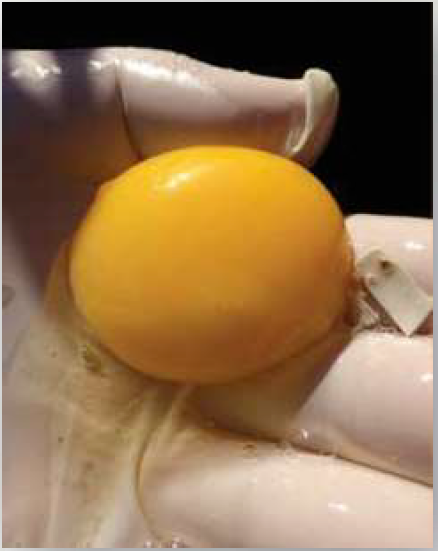
Figure 4: Mottled egg yolk
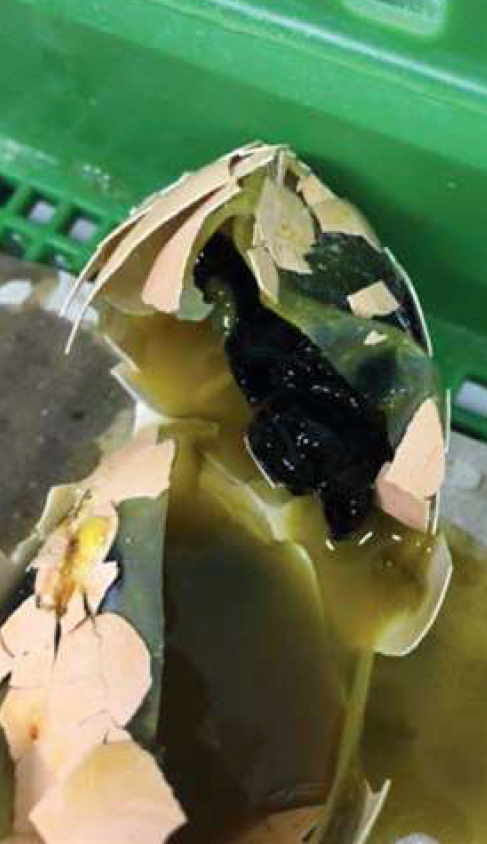
Figure 5: Contaminated egg
1.2 Possible Causes
Infrequent egg collection; excessive storage time and/or improper storage methods; overly long pre-warming before incubation; excessive sanitizing spraying; severe nutritional deficiencies; improper transportation; excessively high or low temperatures in the initial incubation stage; insufficient egg turning; ochratoxin and T-2 toxin exposure
1.3 Conclusion
The early embryonic deaths in this case stemmed from a severe stress event (an earthquake), evidenced by mottled egg yolks (disruption of the vitelline membrane).
Some thin-shelled eggs developed cracks, which subsequently led to contamination. This stress occurred either when hens laid eggs before shell formation was fully complete, or when eggs abnormally lingered in the shell gland of the oviduct, leaving insufficient time for the eggs to fully develop normally.
— TWO — Case 2
In this case, abnormally high rates of chicks with red tarsal joints and pipped eggs were observed, together with a high incidence of chicks retaining umbilical cords (funis).
2.1 Background
The share of dehydrated-legged chicks with red tarsal joints increased (Figure 6)
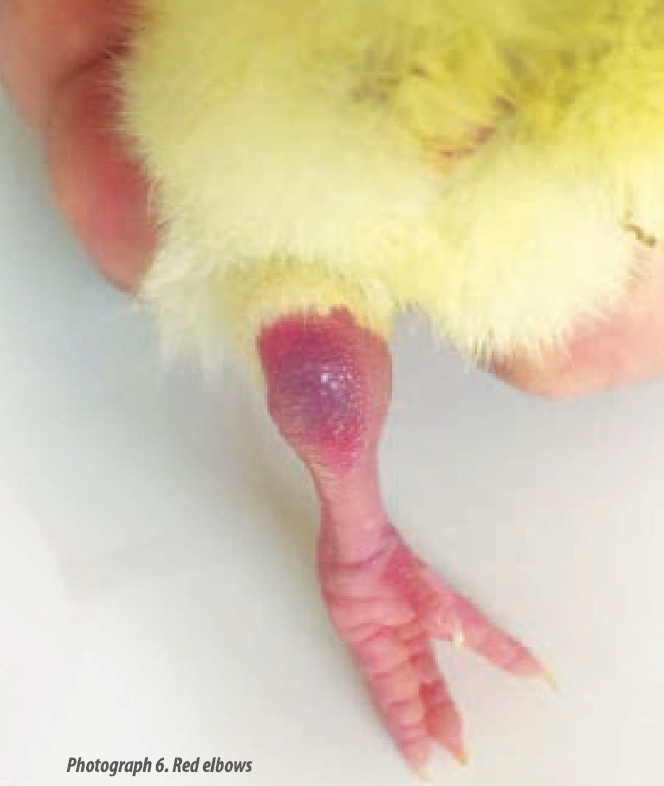
Figure 6: Red tarsal joint
These breeding eggs were produced by hens in the first few weeks of lay.
The hatch window remained normal.
Moisture loss reached 8% during tray transfer.
Unhatched eggs left on hatching trays showed pipping marks.
The proportion of chicks with residual umbilical cords increased (Figure 7)
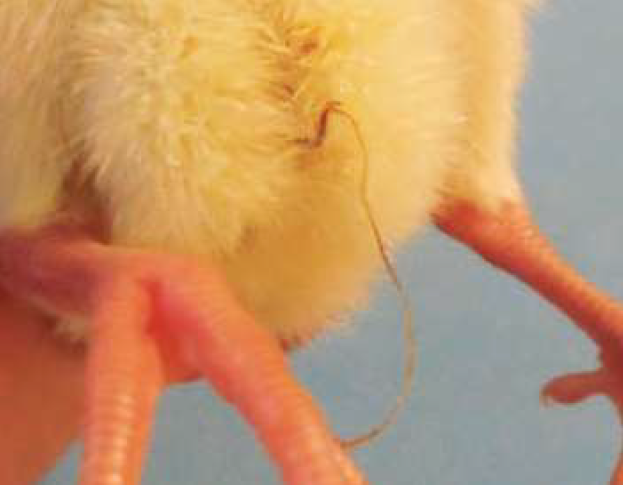
Figure 7: Umbilical cord
2.2 Possible Causes
Excessively high humidity during incubation; excessively high or low incubation temperatures; vitamin deficiencies; altered eggshell composition
2.3 Conclusion
The root cause in this case was excessive moisture inside both the setter and hatcher.
The large volume of pipped eggs and widespread residual umbilical cords confirmed this diagnosis.
Generally speaking, low temperatures delay hatching.
High temperatures cause red tarsal joints, splayed legs and curled toes, while the hatch window will reflect accelerated embryonic development.
— THREE — Case 3
This case featured a high proportion of chicks suffering from umbilical defects, including black umbilicus, residual umbilical cords and omphalitis.
3.1 Background
The number of chicks culled for umbilical defects during hatching increased.
Affected chicks had pale white plumage and appeared lethargic.
Breeding eggs were incubated in a multi-stage setter.
3.2 Possible Causes
Excessively high humidity inside the hatcher; excessively high or low temperatures in the setter and hatcher during the final week of incubation; bacterial contamination leading to omphalitis
To classify an umbilical deformity as omphalitis, the following clinical signs must be present: warmth, erythema, swelling, tenderness and impaired function.
3.3 Conclusion
Different umbilical lesions stem from distinct causes.
Black umbilicus is caused by excessively high incubation temperatures (Figure 8)
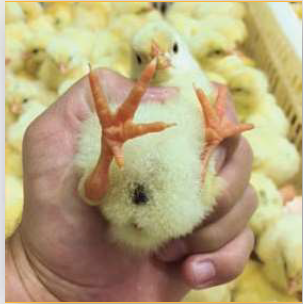
Figure 8: Black umbilicus
Starting from the second week of incubation, eggshell embryonic temperatures measured between 38.3°C(100.9°F)and 38.9°C(102°F).
High temperatures disrupt the thyroid–IGF-I–GH hormone axis that regulates growth and chondrocyte differentiation. They also downregulate the expression of Type X collagen and transforming growth factor β, two key proteins involved in ossification.
Furthermore, high temperatures speed up embryonic development and raise oxygen demand; oxygen passively permeates the eggshell through pores.
Embryos generate energy via yolk lipid metabolism, a process dependent on oxygen due to glycogen stored in embryonic muscle tissue. Insufficient oxygen supply leads to lactic acid buildup and muscle fatigue.
Impaired yolk absorption hinders the uptake of critical nutrients required for early embryonic development and skeletal formation.
Poor umbilical closure is usually triggered by low incubation temperatures.
Residual umbilical cords form when excessive hatcher humidity prevents blood vessels from drying and detaching naturally.
Omphalitis must be distinguished from the above non-infectious umbilical defects.
Omphalitis refers to an inflammatory response triggered by bacterial infection (Figure 9)
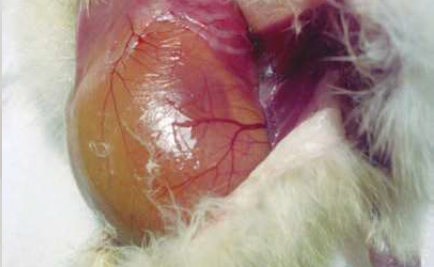
Figure 9: Omphalitis
An oversized yolk sac cannot fully retract into the abdominal cavity, leaving part of the sac exposed externally and forming the so-called black umbilicus.
— FOUR — Case 4
In this case, reduced hatchability, abundant pipped eggs, chicks with eggshell fragments stuck to their plumage, and excessive fluff buildup on hatcher doors were observed.
4.1 Background
Hatchability dropped markedly due to a sharp rise in pipped eggs (Figure 10 and Figure 11)
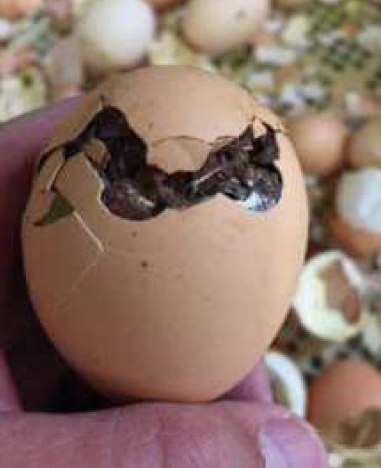
Figure 10: Pipped egg
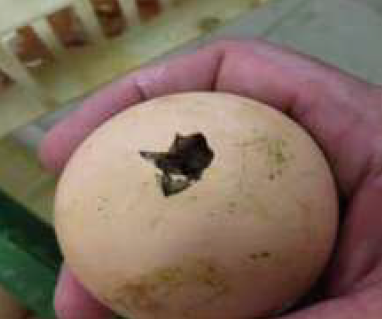
Figure 11: Pipped egg
Eggshell fragments attached to chick plumage (Figure 12); excessive fluff on hatcher door (Figure 13).
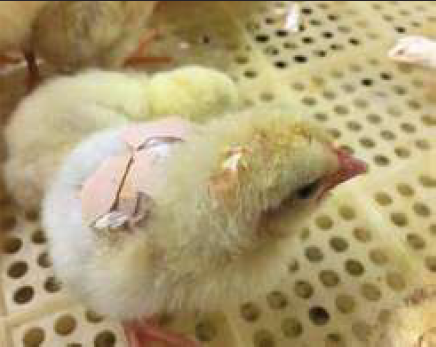
Figure 12: Eggshell fragments attached to chick plumage
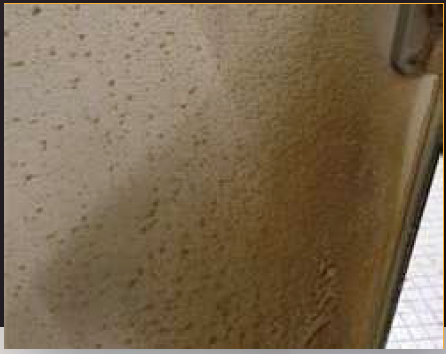
Figure 13: Excessive fluff on hatcher door
4.2 Possible Causes
Prolonged egg storage; inappropriate incubation temperatures; low setter temperature paired with high hatcher temperature; inadequate hatcher ventilation; insufficient egg turning; improper egg inversion placement; excessively low humidity in the setter and/or hatcher; highly porous or cracked eggshells
4.3 Conclusion
Multiple interacting factors caused the issues in this case:
The breeding eggs had been stored for 18 days.
The setter temperature was too low.
An extra egg storage track was put into use; this batch of eggs had inconsistent shell conductance and produced larger-bodied chicks.
Hatcher humidity was excessively low.
Typically, excessive humidity results in damp chicks coated in albumen, or fully developed embryos that fail to pip the shell.
The chick-to-set egg weight ratio indicated insufficient moisture loss.
— FIVE — Case 5
This case recorded high post-hatch mortality on the grow-out farm; affected chicks showed poor appetite and lethargy induced by yolk sac dysfunction and impaired mobility.
5.1 Background
Mortality remained high on the chicken farm within the first seven days post placement.
Mortality was concentrated in small chicks with enlarged yolk sacs.
No organ lesions indicative of bacterial contamination were detected.
Chicks arrived at the farm with inappetence and lethargy.
5.2 Possible Causes
Excessively high temperatures in the final stage of the setter (eggshell temperature above 38.3°C/101.3°F) and hatcher (chick rectal temperature above 40.6°C/105.08°F)
Chicks exposed to cold stress while waiting at the hatchery and/or during transportation (rectal temperature below 39.4°C/102.9°F)
Elevated carbon dioxide levels inside the hatcher (exceeding 7,000 ppm) and upon arrival at the poultry farm (exceeding 2,500 ppm)
5.3 Conclusion
The root cause in this case was excessive temperatures in the setter and hatcher throughout the final week of incubation (Figure 14)
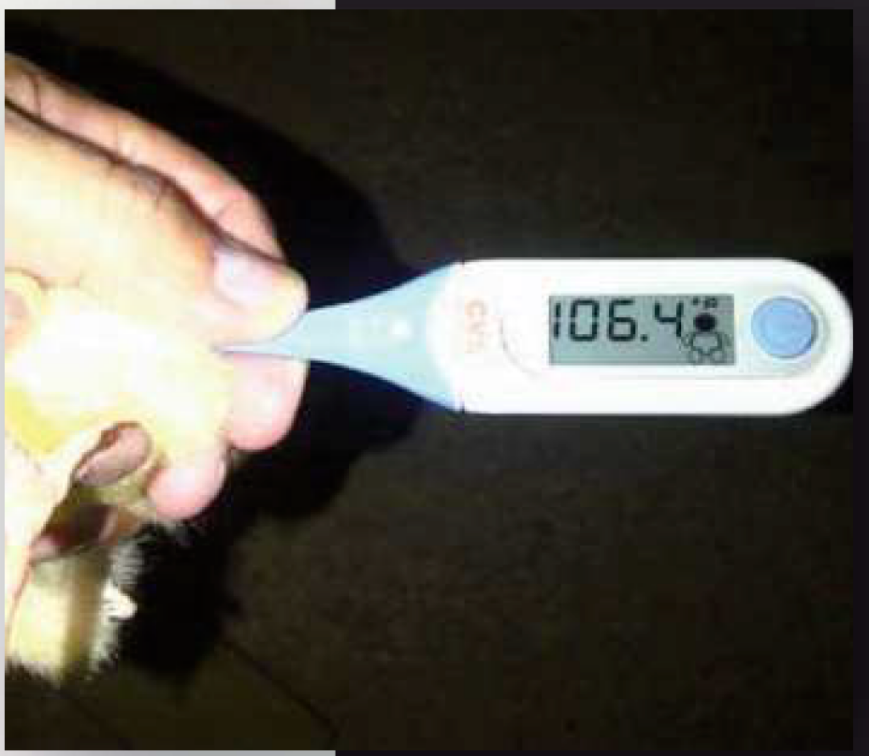
Figure 14: Elevated temperatures in setters and hatchers in the final week
High temperatures inhibit complete yolk sac absorption.
Chicks with large residual yolk sacs lack the drive to search for feed.
In addition, high temperatures impair leg bone development, which further limits movement capacity.
Figure 15 shows a chick with a yolk sac ratio of 20%, while Figure 16 shows a chick with an 8% yolk sac ratio.
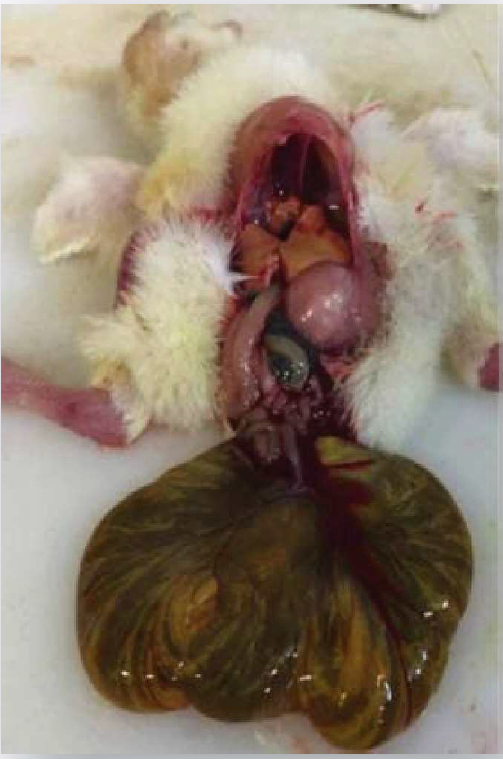
Figure 15: Chick with a 20% yolk sac ratio
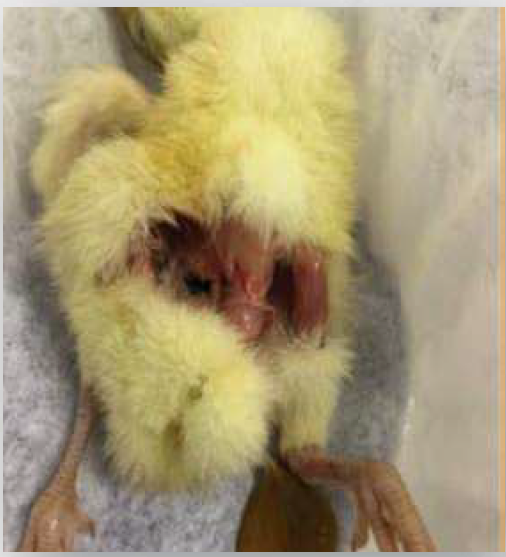
Figure 16: Chick with an 8% yolk sac ratio
Combined high carbon dioxide levels and high receiving temperatures can produce “inverted chicks” (Figure 17)
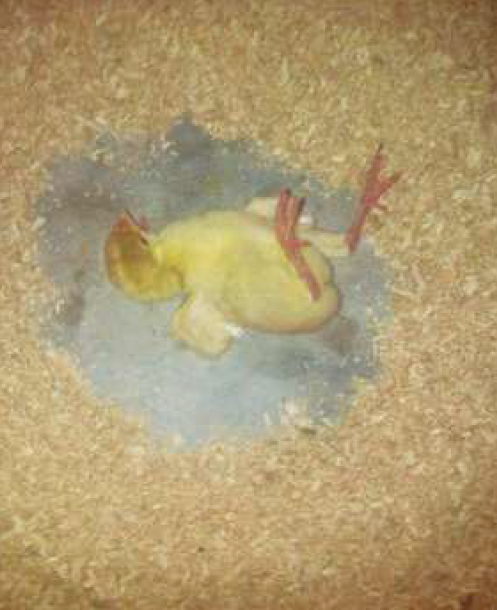
Figure 17: Inverted chick
Blood samples taken from affected chicks showed elevated lactic acid and low glucose concentrations.
Glucose is essential for brain function.
When glucose levels decline, the body mobilizes stored glycogen, creating a sharp rise in oxygen demand.
If oxygen supply cannot meet demand, lactic acid accumulates and severely irritates the chick’s nervous system.
This condition occurs more frequently in eggs from hens’ first week of lay, as their thicker eggshells restrict oxygen diffusion.
Source: Wechat Official Account Poultry Times, released on June 23, 2026. Studied from Carlos López DVM., MVSc., Hendrix Genetics.
Contact: Yanshan.Xu
Tel: +86-10-69989990
Email: export@bjyunfeng.com
Add: No.81, Juhe West Rd., Pinggu District 101200, Beijing, China