Language:



By Mr Rakibuzzaman Right, Mohatab Poultry And Hatchery at Joypurhat Bangladesh
The following is a detailed story of one of our valued customers in Bangladesh, Mr. Rakibu Zaman Right. He owns a breeder farm located in a rural village, where he has been engaged in poultry farming for years, and operates a small-scale hatchery with a weekly capacity of no more than 100,000 eggs. His farm mainly focuses on Sonali breed, a popular choice in the local poultry industry due to its adaptability to the regional climate and good production performance. Prior to the outbreaks in 2024, his farm had maintained stable operations, with the parent breeder flock and commercial flocks showing healthy growth and regular egg production,.
In October 2024, an unexpected and devastating outbreak struck his 18,000-head Sonali Parent Breeder flock, which were approximately 250 days old—an age when the flock should be in peak egg-laying condition. The incident began shortly after the routine administration of the ND (Newcastle Disease) live vaccine in the early morning. Initially, the farm workers did not notice any abnormal signs, but within 5 to 6 hours, unexplained mortality started to occur across multiple chicken houses. The first few dead birds were found during the mid-morning inspection, and as the day progressed, the number of fatalities continued to rise, causing great anxiety among the farm staff. The mortality persisted into the evening, and when the team conducted the morning inspection again the next day, they were dismayed to find 18 more dead birds, bringing the total number of losses to a worrying level that threatened the viability of the entire parent flock.
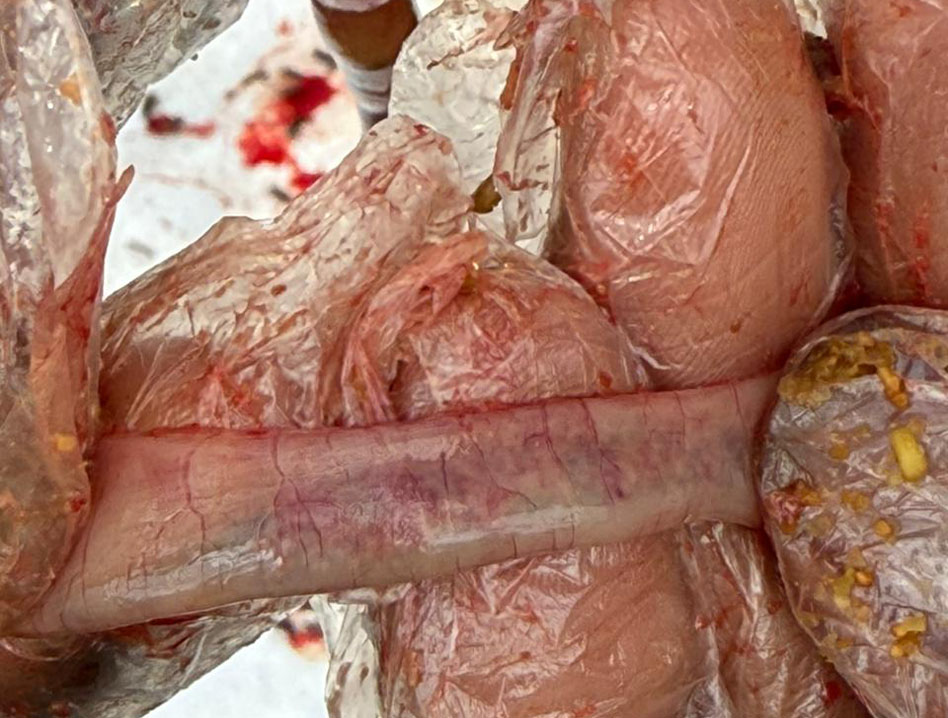
Faced with this urgent crisis, Mr. Rakibu Zaman Right immediately took action and consulted a qualified DVM (Doctor of Veterinary Medicine) to diagnose the cause of the sudden mortality. The DVM arrived at the farm promptly and performed postmortem examinations on several of the dead birds. After a thorough analysis of the clinical symptoms and postmortem findings—including respiratory distress signs, internal organ lesions, and other pathological changes—the veterinarian suspected an AI H9 (Avian Influenza H9) infection. Recognizing the critical nature of the situation, Mr. Rakibu did not delay in implementing the recommended countermeasures. By the next morning, he had arranged for the entire flock to be vaccinated with a combined ND+AI H9 vaccine of Chinese origin, ensuring that every bird in the affected flocks received the immunization in a timely manner. In addition to the vaccination, a comprehensive supportive treatment plan was put in place, which included the administration of immunity boosters to enhance the flock's resistance, antiviral medications to inhibit viral replication, and a range of vitamins to improve the birds' overall health and recovery potential. Thanks to these prompt and targeted interventions, the mortality rate gradually declined over the following days, and after 15 days, the deaths finally stopped completely. However, the outbreak still had a significant impact on the farm's egg production: the egg output remained depressed for a full 30 days, and even after the flock recovered, there was a permanent 10% reduction in production capacity, resulting in substantial economic losses for the farm.
Unfortunately, the farm's troubles were not over. A month after the parent breeder flock incident, the commercial Sonali flocks on the farm—which had not been vaccinated against AI at that time—were hit hard by an AI H9 outbreak. This time, the impact was even more severe, with mortality rates reaching up to 30% in some flocks. Learning from the previous experience, Mr. Rakibu responded quickly by initiating an emergency vaccination program for both AI H9 and AI H5 to provide broader protection against avian influenza strains. However, despite these efforts, one of the commercial flocks was subsequently infected with the more virulent AI H5 strain, which led to a catastrophic mortality rate of over 80%. This devastating loss dealt a heavy blow to the farm's operations, highlighting the complexity and severity of avian influenza infections and the importance of comprehensive preventive measures.
Eventually, after completing the AI vaccination program across all flocks on the farm, the spread of the AI virus was successfully contained and subsided. Just as the farm was beginning to recover, a new crisis emerged in December 2024: VVND (Velogenic Newcastle Disease) broke out among the flocks, despite the fact that regular ND vaccinations had been administered. A thorough investigation was conducted to identify the root cause of this unexpected outbreak, and the results revealed that the existing ND vaccines used on the farm did not contain the proper VVND strains, rendering them ineffective against the virulent form of the disease. This finding underscored the critical importance of selecting the right vaccines that match the prevalent disease strains in the region.
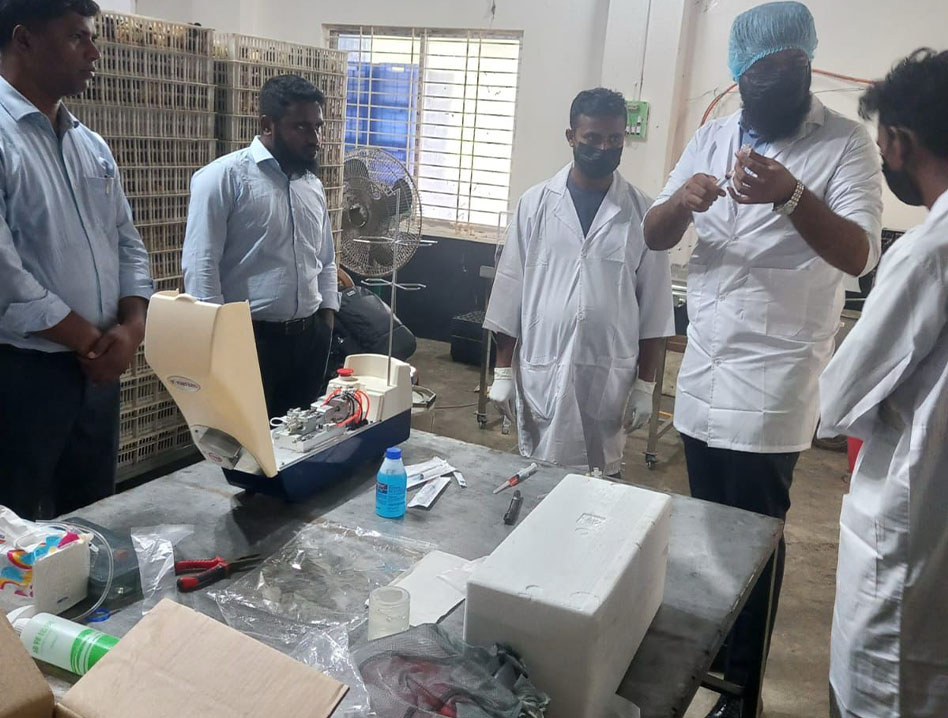
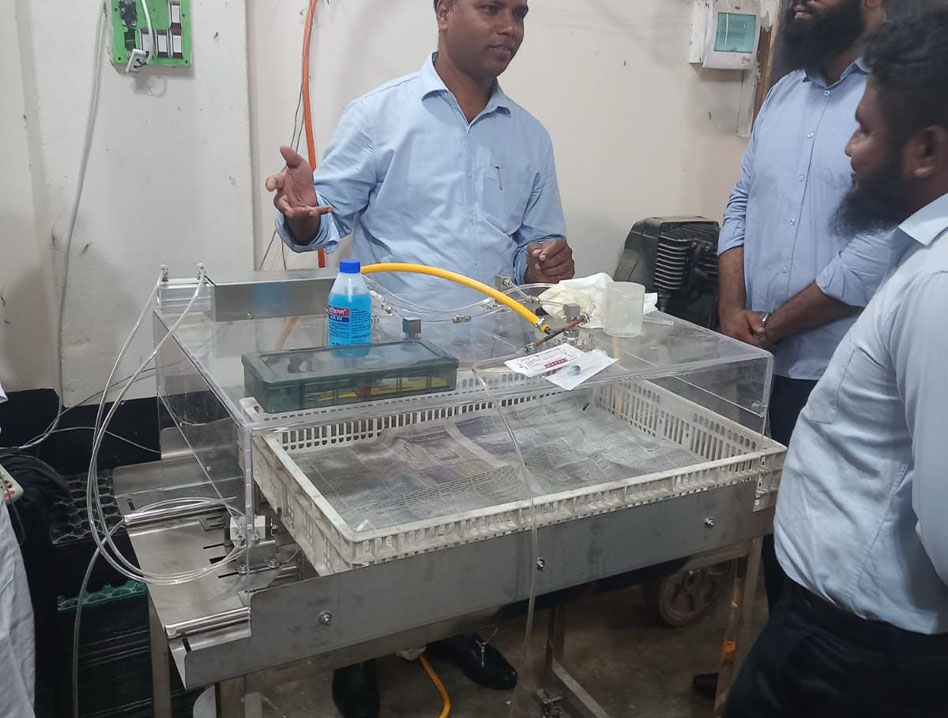
Determined to address this issue comprehensively and prevent future outbreaks, Mr. Rakibu decided to adopt a hatchery-based vaccination strategy, which is widely recognized as a more effective and efficient way to immunize young chicks. After researching various options, he chose to utilize CEVA France's advanced hatchery vaccination technology, which is renowned for its reliability and effectiveness in the global poultry industry. To implement this new strategy, he ordered the necessary specialized vaccinationequipment from Yunfeng, a trusted supplier of poultry hatchery equipment. The installation and commissioning of the equipment were completed under the guidance of technical experts, and the farm staff received training to ensure the proper operation of the new vaccination system. After the successful implementation of the new hatchery vaccination program, the number of VVND cases began to decline steadily. By January 2026, through continuous monitoring and testing, it was confirmed that the ND virus was no longer detected in any of the flocks, marking a significant turning point in the farm's battle against infectious diseases.
Currently, the farm has fully adopted the CEVA Hatchery Vaccine Program specifically tailored for Commercial Sonali flocks, following a 60-day cycle. This well-structured program is designed to provide comprehensive and timely protection against the key diseases that have plagued the farm in the past. The detailed schedule of the program is as follows:
1. Day-0 (Hatchery Vaccines):
- HVT NDV
- Transmune IBD
- Vitabron L
- I-Bird
2. Day 7: Newflu H9K (AI H9 + ND)
3. Day 10: New L (ND live)
4. Day 15: AI H5 vaccine
The implementation of this scientific and systematic vaccine program has brought remarkable results to the farm. It has successfully restored the health and stability of the flocks, significantly reducing the incidence of infectious diseases and the associated mortality rates. Most importantly, the program has helped the farm recover from the previous losses, restoring stable egg production and improving the overall productivity of the commercial flocks. Mr. Rakibu Zaman Right stated that the adoption of CEVA's hatchery vaccination technology, Yunfeng's vaccination equipment and the standardized vaccine program has not only safeguarded the health of his poultry but also given him greater confidence in the long-term sustainability of his farming operations. This experience has also made him an advocate for proactive disease prevention and the use of high-quality veterinary products and technologies among local poultry farmers in Bangladesh.
Contact: Yanshan.Xu
Tel: +86-10-69989990
Email: export@bjyunfeng.com
Add: No.81, Juhe West Rd., Pinggu District 101200, Beijing, China